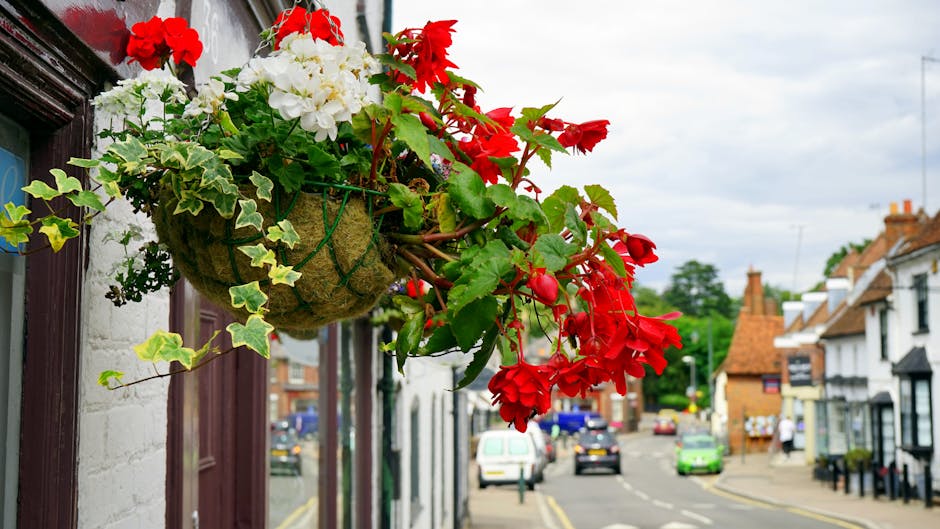
High Street Sidcup planter care by local garden services
Planters can make a High Street frontage look welcoming in a matter of minutes, but keeping them healthy is another story. Wind, traffic pollution, footfall, shade from nearby buildings, dry spells, and the odd neglected weekend all pile pressure onto pots that are expected to look good every day. That is where High Street Sidcup planter care by local garden services really earns its keep. It is not just about watering a few plants and calling it done. It is about keeping displays tidy, resilient, seasonal, and appropriate for the space.
If you manage a shopfront, cafe seating area, office entrance, residential frontage, or communal space in Sidcup, consistent planter care can make the difference between a display that adds value and one that quietly becomes a problem. The good news? With the right local support, planter maintenance is straightforward, practical, and surprisingly flexible. Below, we will look at how it works, what to expect, common mistakes, and the best way to keep containers looking sharp through the year.
Table of Contents
- Why High Street Sidcup planter care by local garden services matters
- How High Street Sidcup planter care by local garden services works
- Key benefits and practical advantages
- Who this is for and when it makes sense
- Step-by-step guidance
- Expert tips for better results
- Common mistakes to avoid
- Tools, resources and recommendations
- Law, compliance, standards, or best practice
- Options, methods, or comparison table
- Case study or real-world example
- Practical checklist
- Conclusion
- Frequently asked questions
Why High Street Sidcup planter care by local garden services Matters
Planters are often the first thing people notice. A neat pair of seasonal containers by a doorway says the place is cared for. A tired planter with bare compost, dead leaves, or leggy growth says something else entirely, and honestly, people do read that signal fast. On a busy street, there is no real hiding place for neglected planting.
Local garden services bring a practical advantage here. They understand how quickly displays dry out in sheltered but exposed spots, how rain can pool in the wrong container, and how a planter near a doorway gets knocked, trodden around, or shaded differently from the rest of the frontage. In a place like Sidcup, that local awareness matters because no two High Street positions behave quite the same. One side might bake in the afternoon sun; another stays damp and wind-blasted. Same street, very different growing conditions.
Good planter care is also about reputation and safety. Stable, tidy planters reduce clutter, support a welcoming appearance, and help avoid the kind of mess that can creep in when overgrown foliage, broken pots, or soil spillover are left too long. For businesses, that can affect customer impression. For residents and property managers, it can affect how a property feels and how much upkeep it quietly demands.
Expert summary: planter care works best when it is treated as routine maintenance, not emergency gardening. The best results usually come from small, regular interventions rather than occasional big fixes.
There is another angle too: plants in containers have less room for error than plants in the ground. They rely on regular feeding, careful watering, and periodic renewal of compost. Miss those basics, and they decline quickly. Keep on top of them, and they can stay neat and lively for months. Simple, but not always easy. That is why local garden services are often a smart choice.
How High Street Sidcup planter care by local garden services Works
In most cases, planter care starts with an assessment. A gardener looks at the containers, the plant mix, the location, and the condition of the soil or compost. They will usually check whether the planters are suitable for the setting, because not every container is built for every site. A lightweight decorative pot outside a busy entrance, for example, may not be the best fit if it keeps getting moved, tipped, or dried out.
From there, care is usually built around a maintenance cycle. That may include watering, deadheading, pruning, replacing weak plants, topping up compost, feeding, cleaning the planter area, and checking for pests or disease. If the site needs a stronger refresh, the service may also involve redesigning the planting scheme so the containers are more practical for the season and the amount of light available.
On a High Street, timing matters. Early morning visits can be ideal because the site is quieter and plants are less stressed by heat. A midweek visit may work better than a Monday morning if the area is particularly busy. To be fair, the "right" schedule depends on the actual site, not just the calendar.
Some businesses want a fully managed service where everything is handled on a set schedule. Others prefer one-off visits before a launch, event, or seasonal change. Both approaches are common. The key is consistency. Containers do not need heroic gardening; they need dependable attention.
If planter care is part of a broader outdoor maintenance plan, it can sit neatly alongside garden maintenance, or be supported by services such as landscaping when a frontage needs a more complete visual reset. If the space has become cluttered with old pots, debris, or broken planting materials, garden clearance may be the sensible starting point.
Key Benefits and Practical Advantages
The most obvious benefit is appearance. Healthy, well-spaced planting adds colour and softness to a hard streetscape. But the practical advantages go deeper than looks.
- Reliable curb appeal: neat containers keep entrances looking cared for between larger maintenance visits.
- Better plant health: regular watering, feeding, and deadheading help plants perform for longer.
- Less reactive work: small issues are caught early, which usually means fewer expensive replacements.
- Seasonal flexibility: displays can be updated for spring, summer, autumn, or winter without a full redesign every time.
- Cleaner surroundings: tidy planters reduce leaf litter, compost spillage, and messy overgrowth.
- Local responsiveness: a Sidcup-based service can adapt more quickly to weather changes and site-specific problems.
There is also a quieter benefit that people sometimes overlook: planter care removes mental load. If you are managing a business or a property, you already have enough moving parts. Knowing the planters are being checked, watered, and adjusted without constant reminders is genuinely useful. It sounds small. It is not small.
Who This Is For and When It Makes Sense
This kind of service suits a wide mix of people and properties. Shop owners on or near High Street often need fresh, dependable planting to support foot traffic and storefront presentation. Cafes and hospitality venues usually want containers that look good from morning through evening, even after plenty of handling around outdoor seating.
It also makes sense for:
- landlords who want a tidy frontage without relying on tenants to manage it
- property managers responsible for communal entrances or small business units
- resident associations maintaining shared outside areas
- offices that want a cleaner, more welcoming entrance
- households that like the look of seasonal containers but do not have time to maintain them properly
It may be especially useful if you have experienced any of the following: plants fading too quickly, uneven watering, pots blowing over, messy soil around paving, or displays that looked good in April and then gave up by mid-July. Happens all the time, really.
If the area around the planters also needs tidying, trimming, or regular upkeep, it can be worth looking at hedge trimming or lawn mowing for the broader setting. A planter rarely exists in isolation; the whole frontage tells the story.
Step-by-Step Guidance
Here is a practical way to think about planter care, whether you are managing a small set of containers or a longer street-facing run.
- Assess the site properly. Check sun, shade, wind, footfall, water access, and how exposed the containers are. A plant that thrives in one doorway may sulk in another just a few metres away.
- Choose the right containers. Pick sizes and materials that suit the location. Bigger planters generally hold moisture better, while heavy pots are less likely to shift or topple.
- Select plants for the conditions. Do not force a full-sun display into a shaded spot, or vice versa. It sounds obvious, but it is one of the most common causes of planter disappointment.
- Prepare the base layer. Make sure the planter has drainage and good-quality compost. Waterlogged roots are bad news. No drama, just rot.
- Install and space plants carefully. Give each plant room to grow. Overcrowding can look full at first, then awkward a few weeks later.
- Water consistently. Containers dry out faster than garden beds, especially in summer or in windy positions.
- Feed and deadhead. Remove spent flowers and top up nutrients so the display keeps producing.
- Inspect weekly. Look for pests, drooping, yellowing leaves, broken stems, or compost that has sunk too low.
- Rotate or refresh seasonally. Swap out weak planting before it starts dragging the whole display down.
- Record what works. If one planter position always struggles, adjust the planting mix next time instead of repeating the same mistake.
A small example: a north-facing frontage may do better with hardy, shade-tolerant plants and deeper watering, while a sunny south-facing site may need more drought-resistant choices and extra feeding. Same service, different answer. That is the real work of local planter care.
Expert Tips for Better Results
Seasoned gardeners tend to focus on the unglamorous details, because that is where containers succeed or fail. A few practical habits make a noticeable difference.
- Water deeply rather than little and often. Shallow watering can encourage weak roots. It is better to soak properly when the planter needs it.
- Check drainage every season. Compost can compact and block flow over time, especially after heavy rain.
- Use a planting mix with purpose. Trailing plants, upright features, and fillers work better together when the structure is planned, not random.
- Leave room for growth. A planter should look attractive in six weeks, not just on day one.
- Refresh tired topsoil or compost. A quick top-up can revive a display without starting from scratch.
- Think about sightlines. Low planters may work better near entrances, while taller displays can define edges and soften hard lines.
One tiny bit of advice that saves a lot of hassle: choose plants with similar water needs. Mixing a thirsty plant with a drought-tolerant one tends to create frustration for everyone involved, plants included. Honestly, the plants never sign up for that arrangement.
If your site also includes structural features like seating, fencing, or timber details, maintaining those areas can matter too. A neat display beside a worn-out edge does not land quite the same way. In some settings, pairing planter care with decking services or broader landscape gardening can improve the whole frontage, not just the containers.
Common Mistakes to Avoid
Most planter problems are avoidable. That is the annoying part, actually. The fix is usually simple once you know what went wrong.
- Using the wrong plant for the location. Shade plants in hot sun, sun plants in deep shade, and so on. It rarely ends well.
- Ignoring watering needs. Containers dry much faster than ground planting, especially near walls, paving, or reflective surfaces.
- Letting compost compact. Once soil structure collapses, roots struggle and drainage suffers.
- Overcrowding the planter. A packed display can look good for a week, then become tangled and unhealthy.
- Forgetting to deadhead and prune. Spent flowers and old growth can make even healthy planting look tired.
- Not accounting for weather swings. A mild week can turn into a windy, dry spell quickly, and planters feel that more than most garden features.
- Treating every season the same. Summer and winter planter care are not interchangeable. Different plants, different watering, different rhythm.
There is also the subtle mistake of leaving planters in place for too long without a rethink. A display that once worked can slowly become the wrong size, the wrong shape, or simply the wrong mood for the frontage. That is not failure. It is just a sign to refresh it.
Tools, Resources and Recommendations
You do not need a warehouse of kit to care for planters well, but a few basics help enormously. A professional local garden service will usually arrive with the right tools already, which is one reason many people choose to outsource the job rather than piecing it together themselves.
| Tool or resource | What it helps with | Why it matters |
|---|---|---|
| Watering can or hose with control | Regular watering | Prevents under- or over-watering, especially in smaller containers |
| Secateurs and small snips | Pruning and deadheading | Keeps plants tidy and encourages further flowering |
| Quality compost | Plant health and moisture retention | Supports roots and reduces nutrient loss |
| Mulch or top dressing | Moisture retention | Helps stabilise temperature and reduce drying out |
| Plant labels or maintenance notes | Tracking care needs | Makes seasonal changes and replacements more predictable |
| Regular maintenance schedule | Consistency | Prevents small issues becoming expensive replacements |
For wider support, it may help to review the company's services overview if you are combining planter care with other outdoor work. If you are checking how costs are approached, pricing and quotes is a sensible place to compare what is included. And if you simply want to understand who is doing the work, the about us page can help with that trust-building piece.
Law, Compliance, Standards, or Best Practice
Planter care is not usually a heavily regulated service in itself, but there are still sensible standards to follow. A professional gardener should work safely, avoid creating trip hazards, manage tools properly, and dispose of green waste responsibly. If a frontage is public-facing, good housekeeping matters because loose soil, broken pots, trailing stems, or overfilled containers can create avoidable hazards.
Best practice also includes clear communication around access, timing, and site boundaries. If planters sit near a public path or business entrance, care work should be done in a way that keeps disruption low and preserves access. That often means planning around opening hours or quieter windows.
Environmental care is part of best practice too. Reusing healthy compost where appropriate, recycling old plant material properly, and selecting plants that are likely to thrive in the site conditions can reduce waste. If sustainability matters to you, it is worth asking how the service approaches disposal and re-use. A sensible provider should be able to explain that clearly. For a broader view on responsible waste handling, you may also want to see the company's recycling and sustainability approach.
From a business perspective, it is also wise to understand insurance and site safety expectations. If work is being done near pedestrians or customers, you want confidence that the gardener is operating with care and appropriate cover. The details may differ from site to site, but the principle is simple: safe, tidy, accountable work.
Options, Methods, or Comparison Table
Not every planter care setup is the same. Some properties need a light-touch service, while others need regular hands-on attention. Here is a straightforward comparison.
| Approach | Best for | Pros | Limitations |
|---|---|---|---|
| One-off refresh | Seasonal updates, events, or first-time tidy-ups | Fast visual improvement, useful for immediate impact | Needs follow-up to stay looking good |
| Scheduled maintenance | Busy shopfronts, hospitality venues, shared entrances | Consistent quality, fewer plant losses, less admin | Requires ongoing budget and planning |
| Full planter redesign | Problem sites, tired displays, new branding | Better plant selection, stronger visual identity, longer-term success | Takes more planning and initial input |
| Mixed maintenance with wider garden work | Sites with beds, borders, hedging, or turf nearby | More efficient overall upkeep, better cohesion | Needs a broader maintenance schedule |
If the frontage has grown a bit unruly overall, combining planter care with garden maintenance is often the most practical route. If trees or larger shrubs are affecting light levels or causing debris, then tree lopping and removal may also be relevant, though only where appropriate and necessary. One thing at a time, though. No need to turn the front of a building into a full-scale project unless it genuinely needs that.
Case Study or Real-World Example
Imagine a small High Street frontage with two large planters either side of the entrance. At first glance, it looks fine. But by late spring one pot is drying out faster than the other because it sits in a brighter, windier position. The other is slightly shaded and keeps its moisture longer. The result? One planter looks healthy and full, the other starts to go patchy, with tired lower leaves and fewer flowers.
A local garden service would normally spot that mismatch quickly. They might switch the planting scheme so both containers suit their positions better, adjust the watering routine, add mulch to reduce evaporation, and trim back weak growth before it drags the display down. They may also replace one or two plants that are simply not thriving in that exact spot. Nothing dramatic. Just sensible, site-aware work.
After that, the planters look more balanced from the street, and the upkeep becomes easier. Less guesswork. Fewer emergency fixes. And the front entrance feels calmer, which sounds abstract until you see it in person. Then it clicks. It really does.
This is the real value of local planter care. It is not just the first tidy-up. It is the steady improvement that keeps happening after that.
Practical Checklist
Use this simple checklist if you are reviewing your planters or preparing for a maintenance visit.
- Are the containers the right size and weight for the site?
- Do the plants suit the amount of light and wind exposure?
- Is the compost fresh, open, and free-draining?
- Are the planters watered often enough for the weather and location?
- Have dead flowers, damaged stems, and fallen leaves been removed?
- Are any plants showing pests, disease, or early decline?
- Does the display still look balanced from the street or entrance?
- Are the planters causing any trip risk, spillover, or access issue?
- Is there a seasonal refresh plan in place?
- Would a broader service such as landscape gardening improve the whole frontage, not just the containers?
If you can answer "no" to a few of those, that is usually a sign the planters need attention sooner rather than later. Nothing to panic about. Just useful direction.
Conclusion
High Street planters do more than decorate a space. They shape first impressions, soften hard edges, and tell people that a property is being cared for properly. But they only keep doing that when they are maintained with consistency and a bit of local judgement. That is why High Street Sidcup planter care by local garden services is such a practical investment. It brings together plant knowledge, seasonal timing, and site awareness in a way that keeps everything looking intentional rather than improvised.
Whether you need a tidy seasonal refresh, regular upkeep, or a more complete rethink of your containers, the smartest approach is usually the simplest one: choose plants that suit the spot, keep to a realistic maintenance rhythm, and act early when a display starts to slip. That tends to save time, money, and a fair amount of frustration too.
Get a free quote today and see how much you can save.
If you are ready to make the frontage feel fresher, neater, and easier to manage, start with a conversation and build from there. A well-kept planter might be a small thing, but small things are often what people notice first. And sometimes, that is enough to lift the whole street view.
Frequently Asked Questions
What does planter care include for High Street properties in Sidcup?
It usually includes watering, deadheading, pruning, checking for pests, replacing weak plants, topping up compost, and keeping the area around the planters tidy. In some cases it also includes seasonal replanting or a full refresh.
How often do planters need maintenance?
That depends on the site, container size, weather exposure, and plant choice. Busy, sunny, or windy locations often need more frequent checks than sheltered ones. In practice, regular weekly or fortnightly attention is common for display planters.
Why do container plants dry out faster than garden plants?
Planters have less soil volume, so they hold less water. They can also heat up and cool down faster, especially on paving or near reflective surfaces. That means roots feel stress more quickly than they would in a border.
Can local garden services help with seasonal planter changes?
Yes. Seasonal updates are a very common part of planter care. A service can swap in fresh planting for spring, summer, autumn, or winter so the display stays relevant and healthy.
What are the most common mistakes with planter displays?
The big ones are poor plant selection, inconsistent watering, overcrowding, compacted compost, and letting spent plants stay in place too long. Those mistakes are simple enough to avoid, but they do add up quickly.
Is planter care suitable for small businesses?
Absolutely. In fact, small businesses often benefit the most because a neat frontage can have an outsized effect on how the place feels. A couple of well-kept planters can make an entrance feel much more welcoming.
What if my planters are in a shady or windy spot?
That is where site-aware planting matters. A local gardener can recommend plants that suit shade, wind, or mixed conditions, and adjust watering so the containers are not constantly struggling.
Do planter services only cover flowers?
No. Depending on the design, planter care can include evergreen structure, foliage plants, grasses, seasonal colour, and mixed displays. A balanced mix is often easier to maintain than flower-only planting.
How do I know if my existing planters are still the right choice?
If they are regularly tipping, drying out too quickly, looking cramped, or failing to suit the frontage, they may not be the best fit anymore. A gardener can assess whether to keep, refresh, or replace them.
Can planter care be combined with other garden work?
Yes. It often makes sense to combine it with services such as garden maintenance, hedge trimming, lawn mowing, or landscaping so the whole outdoor area feels coherent rather than piecemeal.
What should I ask before booking a local planter care service?
Ask what is included, how often visits happen, whether seasonal planting is available, how waste is handled, and how the service adapts to sun, shade, and weather changes. Those answers tell you a lot about the quality of the approach.
Why choose a local Sidcup garden service instead of doing it myself?
Local services bring practical knowledge of conditions, timing, and maintenance patterns in the area. They also save time and reduce the risk of inconsistent care, which is often the main reason planters start looking tired in the first place.