Gardeners Sidcup: Recycling and Sustainability
 Gardeners Sidcup is committed to creating an eco-friendly waste disposal area and a robust sustainable rubbish gardening area that serves both home growers and community plots. This page outlines practical steps, targets and partnerships that make green waste management simple and effective for Sidcup gardeners and those who tend public borders across the borough.
Our approach for Sidcup gardeners balances practical recycling activity with low-carbon operations. We focus on reducing landfill by encouraging composting of garden waste, increased reuse of soil and containers, and proper sorting of dry recyclable materials at kerbside collections. The local borough approach to waste separation (dry recycling, food caddies and garden collections) dovetails with our on-the-ground systems to make separation easier.
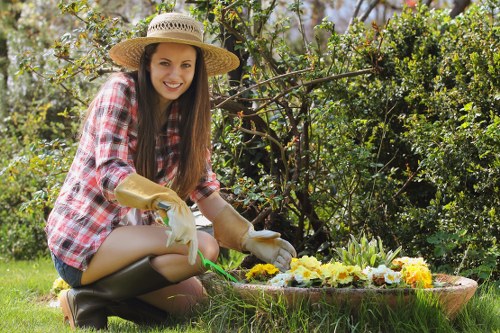
Recycling percentage target and measurable goals
We have set a clear recycling percentage target: a community-wide aim of 65% recycling by 2030 across all gardener-related waste streams, with interim targets of 50% by 2027. This target covers compostable green waste, plastics used in horticulture (pots and trays), metal and glass from garden tools and accessory packaging, as well as textiles and timber where appropriate. Meeting this target means fewer collections to landfill and more materials returned to productive use.
Local transfer stations and pragmatic routing
We work with nearby transfer stations that accept segregated garden material and recyclables to speed up processing. Typical local transfer stations provide dedicated bays for:
- Green garden waste for composting and AD (anaerobic digestion) where appropriate
- Clean wood and timber for chipping and reuse
- Metal, glass and plastic recycling streams
By coordinating drop-off windows and scheduled collections we reduce vehicle idling and make the eco-friendly waste disposal area more efficient for gardeners in Sidcup and neighbouring wards.
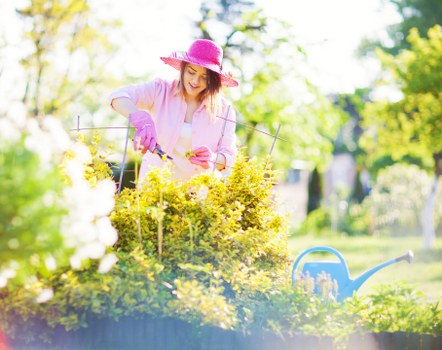
Partnerships with charities and community reuse schemes
Strong partnerships are central to our sustainable rubbish gardening area. We collaborate with local community groups and charities for redistributing usable items: plant swaps, seed libraries and tool-sharing hubs keep usable resources circulating. We also work with furniture and clothing reuse charities and community allotments to divert non-compostable but reusable goods away from landfill. These relationships increase the lifecycle of gardening goods and encourage circular use.
For example, surplus planters and properly cleaned plastic pots can be channelled to reuse centres or community allotments instead of being discarded. Old timber and metal are directed through charity-led repair and reuse initiatives, while living plant material and soil are reclaimed via local composting networks. Sidcup gardening communities benefit when neighbours exchange surplus and donate salvageable items.
Low-carbon vans and greener collection logistics
Collection fleets serving the sustainable rubbish gardening area are being upgraded with low-carbon vans: electric light vans for short-range neighbourhood pickups and Euro 6 hybrid trucks for heavier loads. Where electric charging is not yet viable, low-emission biodiesel blends and driver-efficiency training reduce carbon. These measures ensure the transport footprint of Gardeners Sidcup collections remains minimal while improving service reliability.
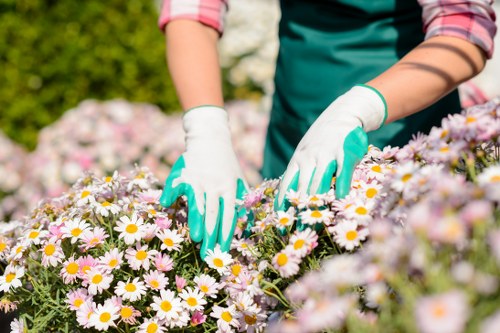 Practical recycling activities for Sidcup garden waste
Typical recycling activities we promote include home composting, community hot-compost bays for woody material, seasonal chipping services for branches, and dedicated caddies for kitchen and garden organics. We also emphasise correct separation at source: rinsing plastic pots, flattening cardboard for storage, and separating contaminated soil from recyclable containers. These small steps improve recycling rates across the borough and help achieve our 65% target.
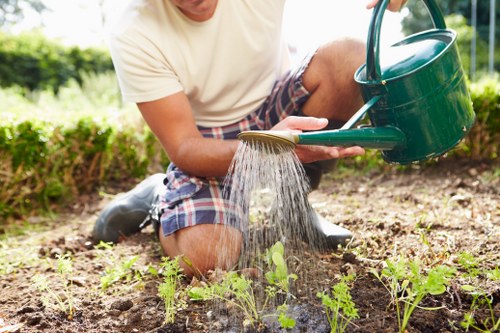
How Gardeners in Sidcup can take part
Simple actions everyone can adopt include:
- Using a home compost bin or joining a community compost scheme
- Returning clean pots and trays to reuse points
- Sorting waste into the borough's designated streams before collection
Our vision for recycling gardening area Sidcup is collaborative: local residents, community groups and municipal services work together to improve resource use, lower emissions and build greener neighbourhoods. Strong governance, clear targets and visible partnerships with charities and transfer stations make this vision practical and measurable.
Commitment to reporting and continuous improvement
Gardeners Sidcup will publish annual progress on recycling percentages, fleet decarbonisation and partnership outcomes. We monitor diversion rates at transfer stations, track reuse volumes given to community charities, and refine collection routes to keep emissions low. By combining community action with rigorous logistics, Sidcup's gardeners can lead the borough toward a genuinely sustainable future.

